
Run Further. Move Better.

Trail running & hiking
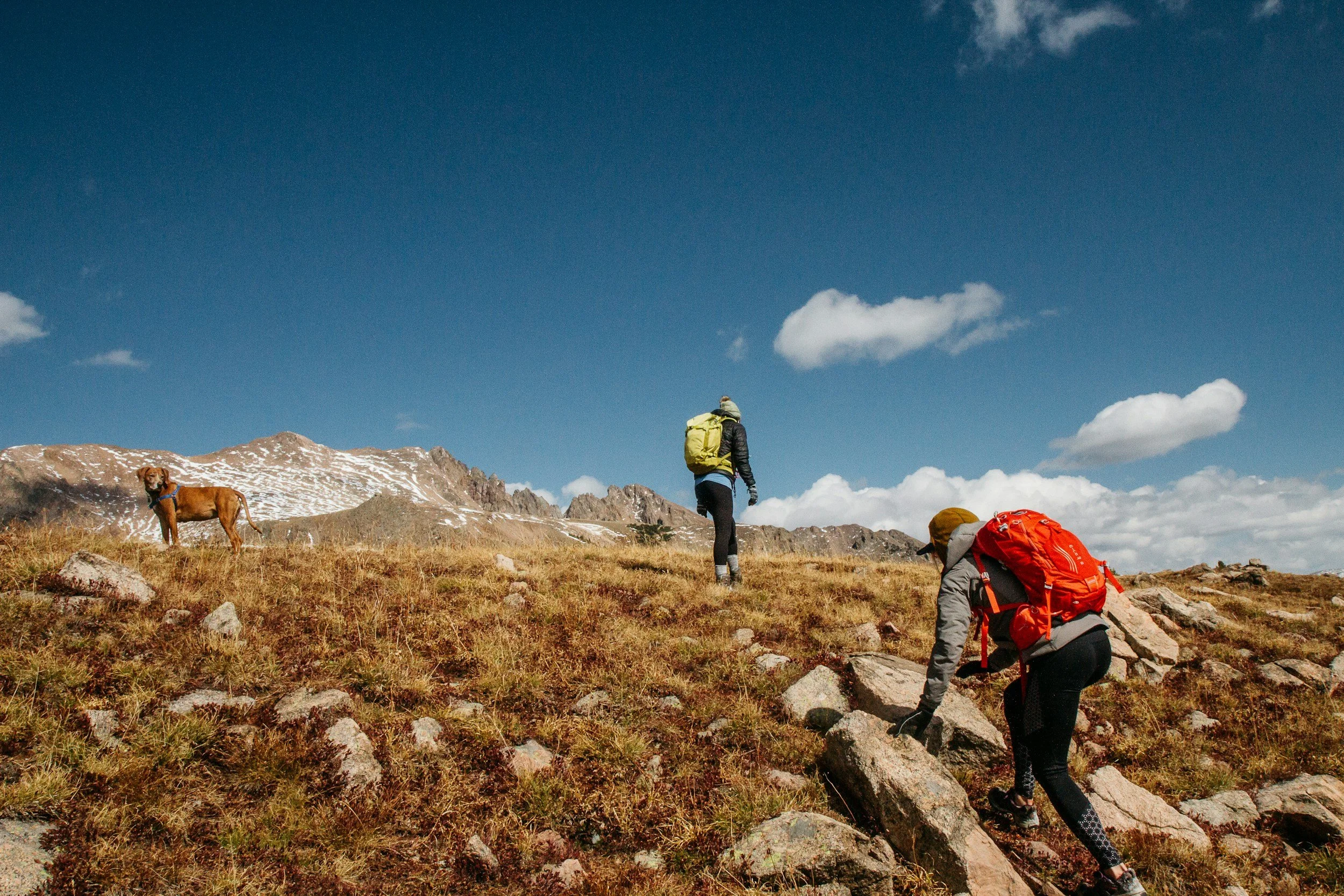
Running—whether on pavement, singletrack, or steep alpine trails—places enormous demand on the feet and lower limbs. Every step transfers force through a complex system of joints, tendons and muscles. When that system is working well, running feels effortless. When it isn’t, problems appear quickly.
Sentinel works with runners and mountain athletes to understand how the body interacts with terrain, footwear and load.
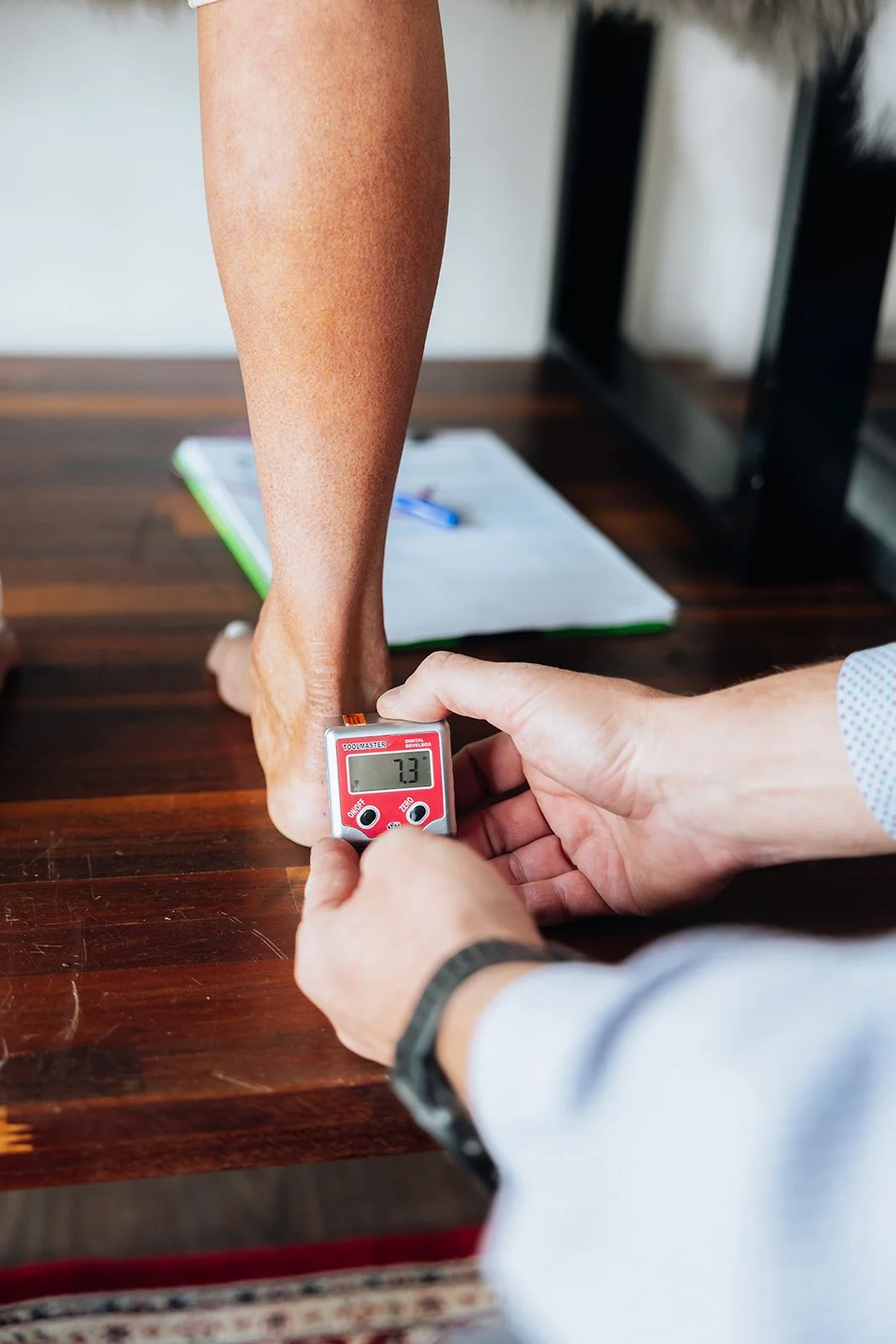
Our approach begins with a detailed assessment of how you move. We analyse your gait, foot structure and lower limb biomechanics to identify the small inefficiencies that often lead to injury or limit performance.
From there we develop practical solutions tailored to your sport and terrain.
These may include:
Footwear recommendations matched to your stride and running environment
Custom orthotics designed to optimise alignment and load distribution
Strength and mobility strategies to improve movement efficiency
Gait adjustments to reduce repetitive strain and improve controlStrength and mobility strategies improve movement efficiency for the lower limb
Dry needling and soft tissue release
Trail runners face an additional challenge: uneven, unpredictable terrain. Sentinel helps athletes choose footwear and foot support systems that maximise stability, grip and protection without compromising natural movement.
The goal is simple.
Move efficiently.
Reduce injury risk.
Run further.
Whether you're training for your next event, exploring new trails, or returning from injury, Sentinel helps ensure your feet are ready for the demands of the mountains.
Movement in the mountains starts at the foot.
Common Injuries We Treat
Running and hiking injuries often develop gradually. Small inefficiencies in movement, footwear or training load can create repeated stress through the foot and lower limb. Sentinel focuses on identifying the underlying biomechanical cause — not just treating the symptoms.
Common conditions we help runners manage include:
Plantar fasciitis
Pain through the arch or heel caused by overload of the plantar fascia, often linked to foot mechanics, calf tightness or training load.
Achilles tendon pain
Strain and irritation of the Achilles tendon, frequently associated with increased mileage, hill running or reduced ankle mobility.
Shin pain (medial tibial stress syndrome)
Often referred to as shin splints, this pain develops along the inside of the shin when the tibia is overloaded during repetitive running.
Stress reactions and stress fractures
Bone overload injuries that develop when running load exceeds the body’s ability to recover.
Metatarsal pain (forefoot pain)
Pain through the ball of the foot caused by pressure distribution issues, footwear factors or running mechanics.
Peroneal tendon injuries
Pain on the outside of the ankle or foot, often related to trail running, uneven terrain or ankle instability.
Ankle instability and recurrent sprains
Repeated ankle sprains or a feeling of instability while running, particularly on trails.
Runner’s knee (patellofemoral pain)
Pain around the kneecap often related to lower limb alignment, running mechanics and muscle control.
Posterior tibial tendon dysfunction
Pain along the inside of the ankle or arch linked to excessive strain on the tendon that supports the foot.
Sentinel takes a performance-focused approach — identifying how biomechanics, footwear and terrain interact so runners can return to training stronger and more efficient.

Signs You Should See a Podiatrist
Small movement issues can quickly become bigger injuries when running load increases. An assessment can help identify the cause early and keep you training consistently.
You may benefit from seeing a podiatrist if:
• Pain in the foot, heel, shin or ankle lasts longer than 1–2 weeks
• Pain appears at the same point during every run
• You notice a change in your stride or running form
• Your running shoes show uneven wear patterns
• Injuries return when training volume increases
• You feel unstable or fatigued, particularly on trails
• You're increasing mileage or preparing for an event
Got more questions? Check out our FAQs