
Stable feet create efficient riders. Giving you longer rides and more fun on the trails.

Road Cycling
Cycling is repetitive and highly mechanical. Thousands of pedal strokes place consistent load through the foot, ankle and lower limb. Small alignment issues at the foot can travel up the kinetic chain, affecting the ankle, knee and hip.
Sentinel works with road cyclists and mountain bikers to optimise the interface between foot, shoe and pedal.
We assess foot mechanics and lower limb alignment to improve efficiency, stability and comfort during long rides.
Support strategies may include:
Footwear and cycling shoe guidance
Low-volume cycling orthotics to optimise alignment
Strength and mobility strategies for the lower limb
Dry needling and soft tissue release
The goal is simple: efficient power transfer and reduced injury risk.

Common Cycling Injuries We Treat
Cycling injuries are usually the result of repetitive loading or alignment issues within the bike–rider system.
Common conditions include:
Forefoot pain (metatarsalgia)
Burning or pressure through the ball of the foot caused by prolonged load or poor pressure distribution.
Hot foot / nerve irritation
Numbness or tingling in the forefoot related to nerve compression inside tight cycling shoes.
Plantar fasciitis
Strain through the arch that can develop when foot support or alignment is compromised.
Achilles tendon pain
Often linked to cleat position, ankle mechanics or saddle height.
Knee pain (patellofemoral or ITB-related)
Frequently influenced by foot alignment and pedalling mechanics.
Peroneal tendon irritation
Pain along the outside of the ankle or foot, often seen in mountain bikers on technical terrain.

Mountain Biking
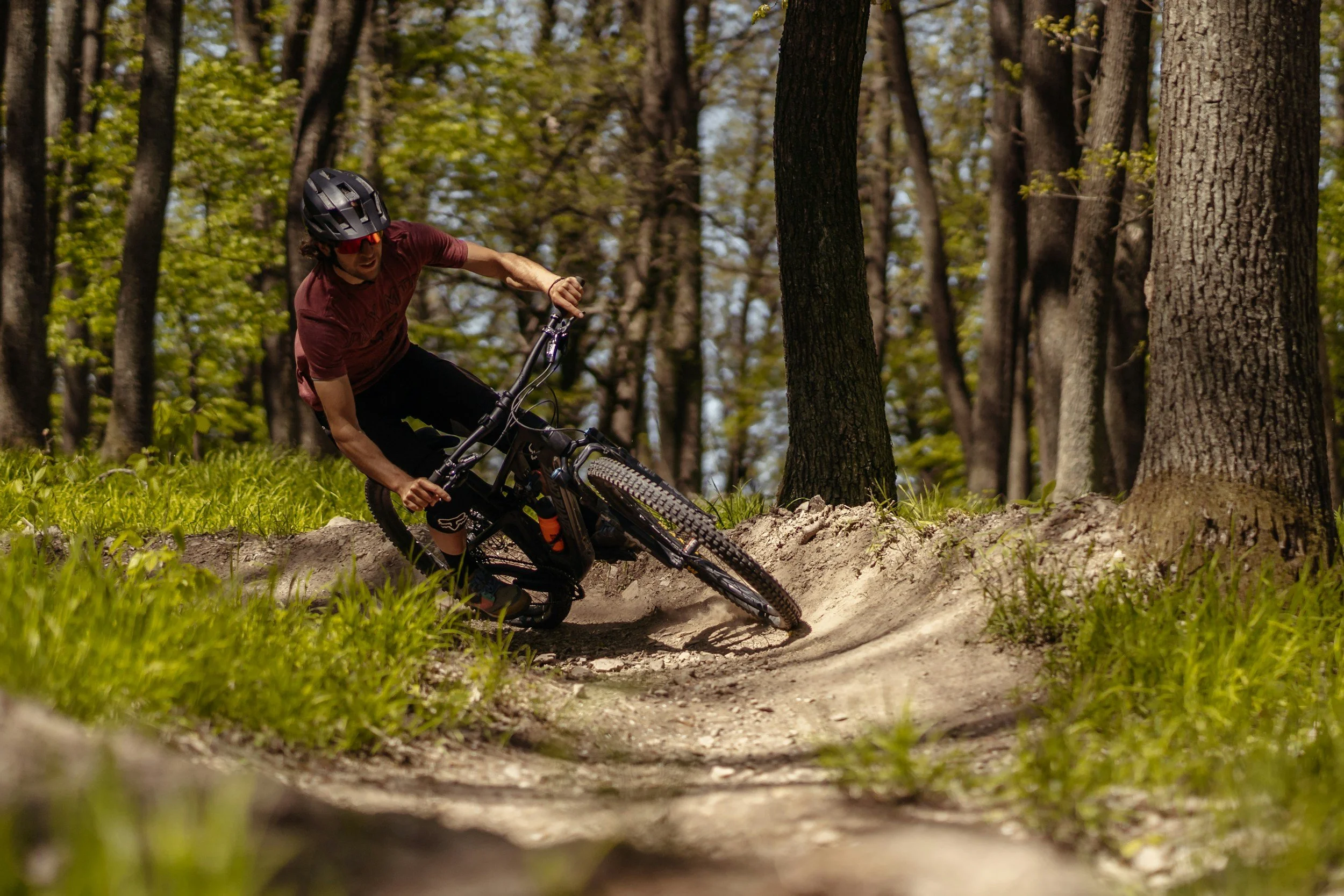
Mountain biking places unique demands on the body. Riders move dynamically between seated pedalling and a more static standing stance for descents while absorbing constant impacts from rough terrain.
This combination of power, stability, balance and shock absorption places significant load through the feet, ankles and lower limbs.
Sentinel focuses on the interface between foot, shoe, pedal and terrain.
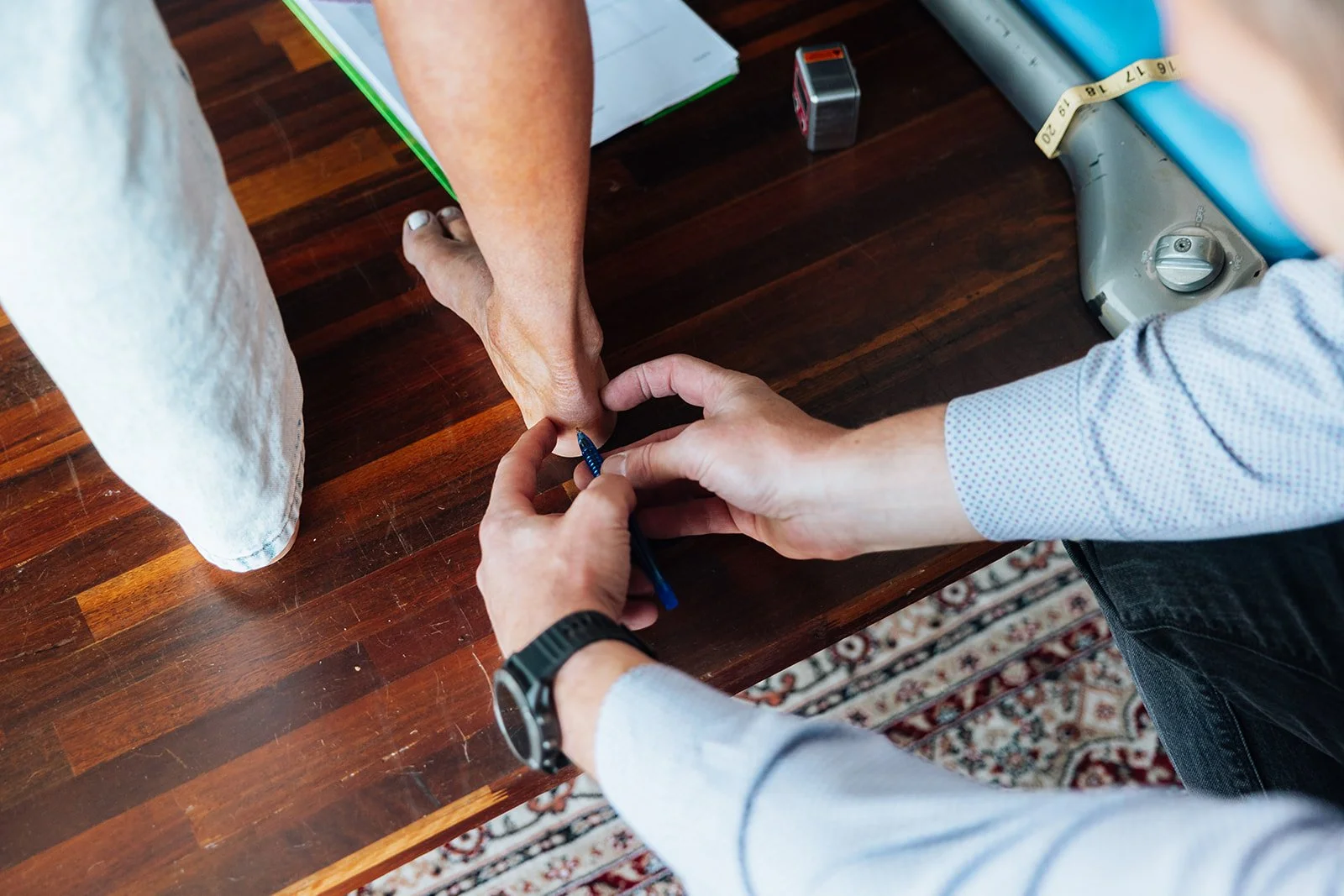
Through biomechanical assessment we identify movement patterns, alignment issues and equipment factors that can affect control, comfort and efficiency on the bike.
Support strategies may include:
• Footwear guidance for cleats or flats systems
• Low-volume orthotics to improve stability and load distribution
• Foot and ankle strength strategies for better bike control
The goal is simple: stable power delivery and confident control on technical terrain.

Common MTB Injuries We Treat
Mountain biking injuries often develop from a combination of repetitive pedalling load and technical terrain demands, or acute impact injuries.
Common conditions include:
Foot fatigue and arch pain
Often caused by prolonged standing on pedals or inadequate foot support.
Forefoot pain (metatarsalgia)
Pressure through the ball of the foot from long descents or stiff cycling shoes.
Hot foot / nerve irritation
Numbness or tingling in the forefoot due to compression inside the shoe.
Achilles tendon pain
Often linked to ankle position, pedal mechanics or repetitive climbing efforts.
Ankle instability and sprains
More common with flat pedals and aggressive terrain.
Peroneal tendon injuries
Pain on the outside of the ankle or foot from repeated lateral loading on rough trails.
Common acute injuries include:
Ankle sprains
One of the most common mountain biking injuries. Often occurs when a rider dabs a foot on technical terrain or lands awkwardly after a jump or drop.
Midfoot sprains (Lisfranc injuries)
High-force impacts through the forefoot — such as landing hard on the pedals — can strain or injure the midfoot joints.
Metatarsal fractures
Direct impact from rocks, pedals or crashes can cause fractures in the long bones of the forefoot.
Toe fractures
Often the result of foot strikes on rocks, roots or obstacles during technical riding.
Peroneal tendon injuries
Sudden ankle rolling or forceful lateral movement can strain the tendons that stabilise the outside of the ankle.
Achilles tendon strain or tear
Less common but can occur during sudden high-force loading or awkward landings.
Foot contusions and soft tissue trauma
Direct impacts from pedals or trail obstacles can cause significant bruising and swelling.
Signs You Should See a Podiatrist for Cycling or Mountain Biking
For any acute injuries, Early assessment helps ensure injuries heal properly and reduces the risk of long-term instability or recurring pain.
Sentinel works with riders to guide recovery, rehabilitation and safe return to the trail.
Cycling involves thousands of repetitive pedal strokes. Small alignment issues at the foot can quickly translate into pain in the foot, ankle or knee.
An assessment can help identify these issues early and improve efficiency on the bike.
You may benefit from seeing a podiatrist if:
• You experience numbness, burning or “hot foot” while riding
• Pain develops in the ball of the foot or arch during longer rides
• You notice Achilles or ankle pain after riding
• You develop knee pain that worsens with distance or climbing
• Your feet feel unstable on the pedals, particularly on rough terrain
• You frequently shift foot position to relieve pressure
• You are increasing training volume or preparing for an event
Sentinel focuses on optimising the connection between foot, shoe and pedal — improving comfort, power transfer and long-ride efficiency.
Got more questions? Check out our FAQs